
Call: 08071793162
 Send Inquiry
 Send Inquiry
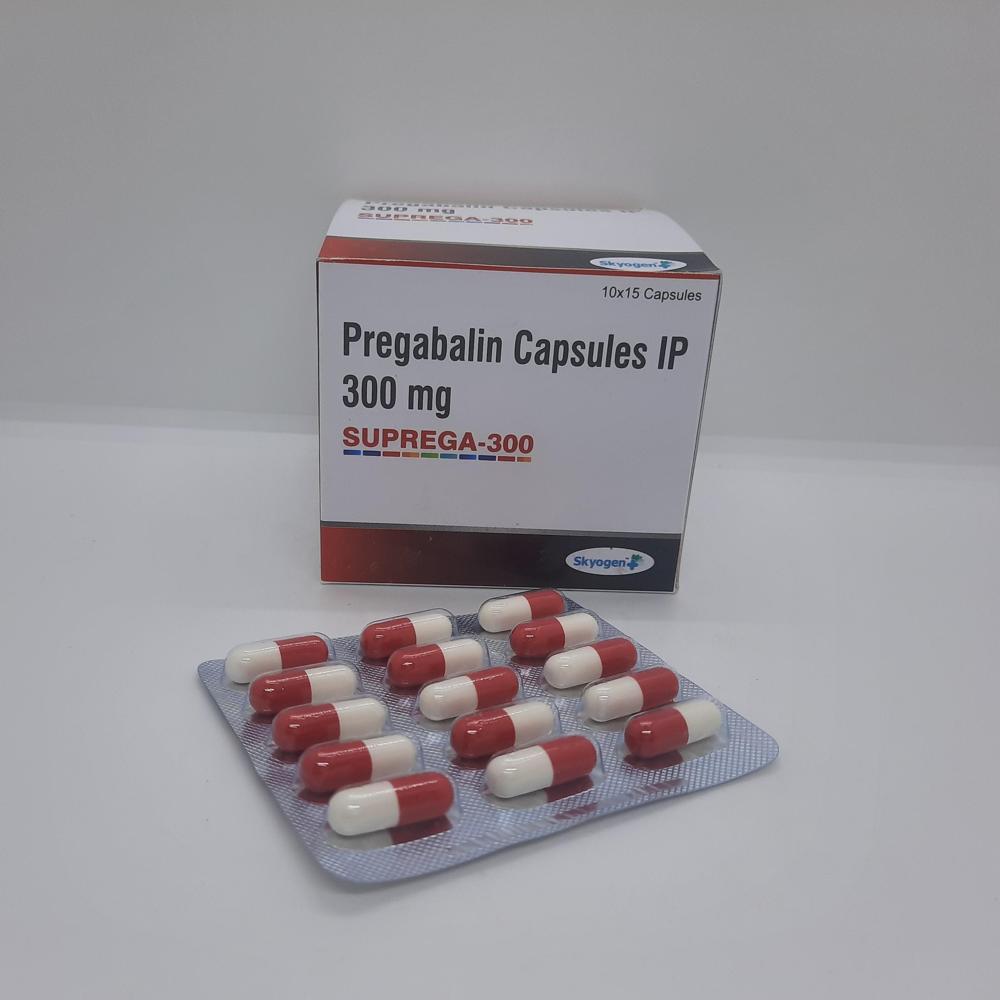
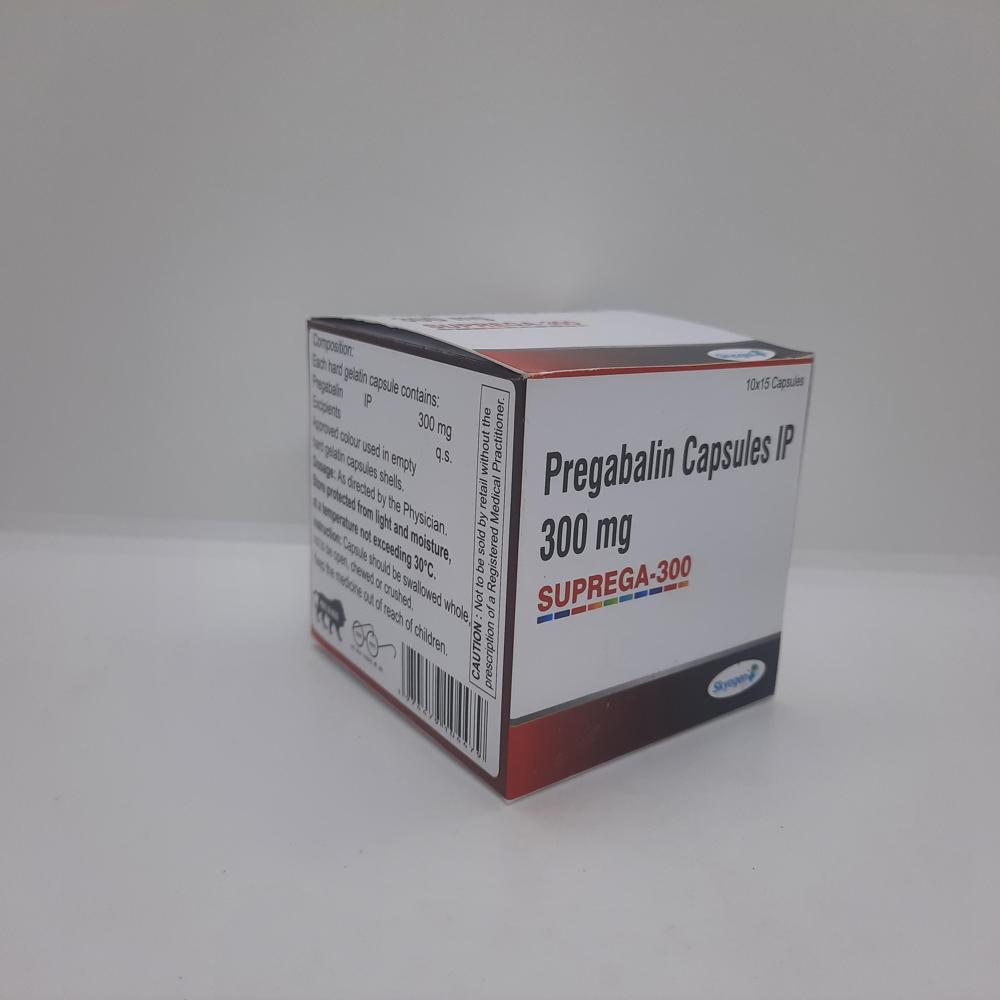
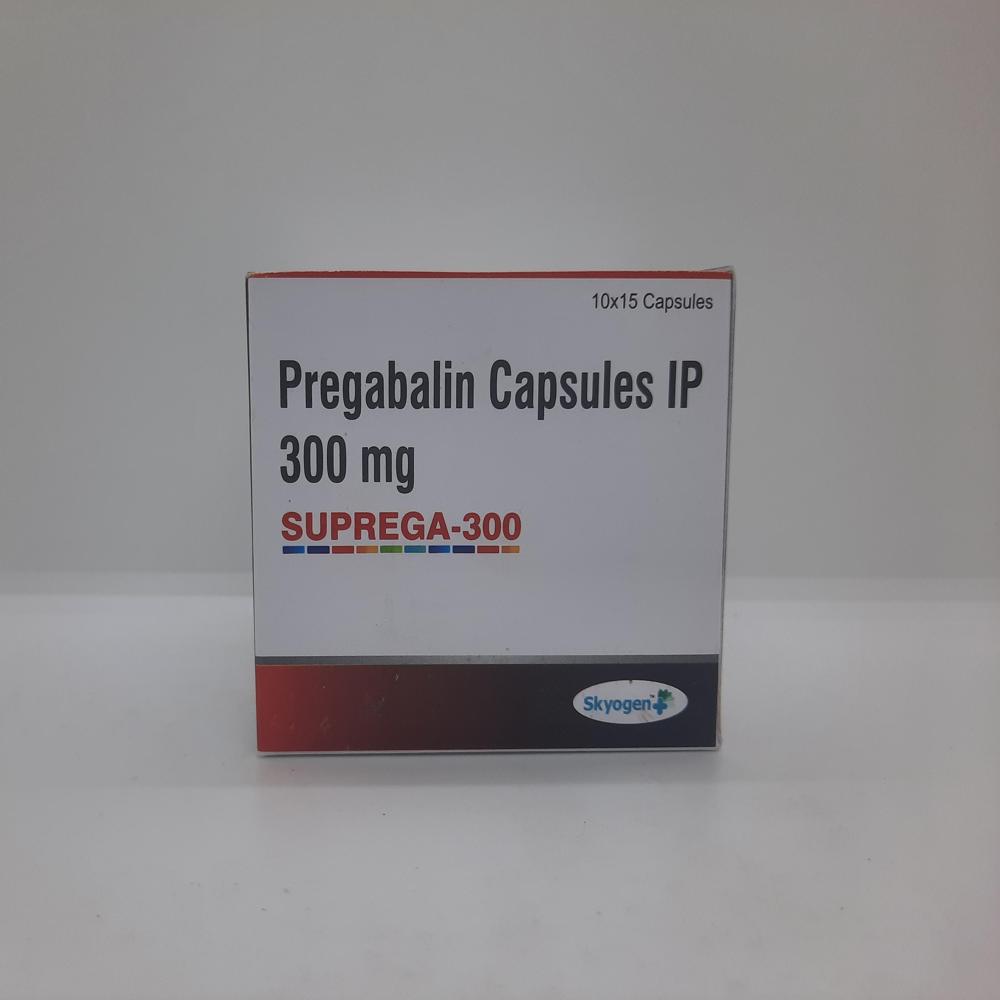
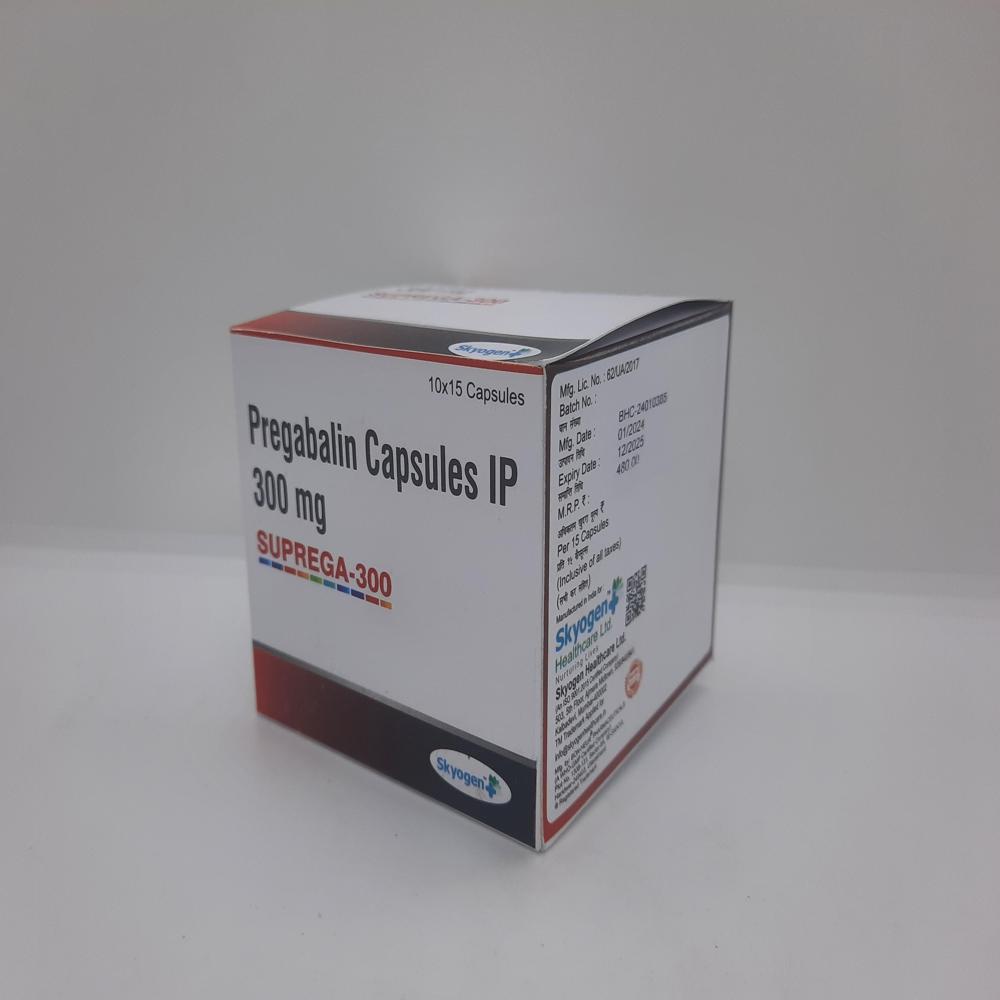
PREGABALIN 300 MG CAPSULE
Price 120.0 INR/ Piece
MOQ : 100 Pieces
PREGABALIN 300 MG CAPSULE Specification
- Pacakaging (Quantity Per Box)
- Usually 10 x 10 capsules per box
- Origin of Medicine
- India
- Life Span
- 24 to 36 months from manufacturing date
- Packaging Type
- Blister pack/strip
- Dosage Form
- Hard gelatin capsule
- Brand Name
- Varies (e.g., Lyrica, generic brands)
- Salt Composition
- Pregabalin
- Indication
- Management of neuropathic pain, adjunctive therapy for partial seizures, management of fibromyalgia and generalized anxiety disorder
- Drug Type
- Prescription medicine
- Ingredients
- Pregabalin 300 mg
- Physical Form
- Capsule
- Function
- Anticonvulsant, Neuropathic pain reliever
- Recommended For
- Neuropathic pain, epilepsy, generalized anxiety disorder, fibromyalgia
- Dosage
- As directed by a physician
- Dosage Guidelines
- Take orally with or without food; follow prescribed schedule
- Suitable For
- Adults
- Quantity
- Depends on packaging, usually 10 capsules per strip
- Storage Instructions
- Store in a cool, dry place, below 25C; protect from light and moisture
- Patient Advice
- Do not discontinue abruptly; use under medical guidance only
- Prescription Required
- Yes
- Color
- White or off-white capsule
- Manufacturing Standard
- GMP certified facility
- Batch Number Location
- Printed on pack/blister
- ATC Code
- N03AX16
- Contraindications
- Hypersensitivity to pregabalin or any excipients
- Administration Route
- Oral
- Regulatory Status
- Schedule H (India); Prescription only
- Marketed By
- Various pharmaceutical companies
- Shape
- Oblong, hard gelatin
- Side Effects
- May include dizziness, somnolence, dry mouth, edema
PREGABALIN 300 MG CAPSULE Trade Information
- Minimum Order Quantity
- 100 Pieces
- Payment Terms
- Cash in Advance (CID)
- Supply Ability
- 1000 Pieces Per Month
- Sample Available
- No
- Packaging Details
- 10X15
- Main Domestic Market
- All India
About PREGABALIN 300 MG CAPSULE
Pregabalin is commonly used to treat nerve pain that may be associated with diabetes, herpes zoster (shingles), or injury to the spinal cord. It is also used to treat pain from fibromyalgia. Pregabalin is also used in people with epilepsy to treat and prevent seizures, sometimes called convulsions.Indications and Usage
Pregabalin 300 mg capsules are primarily used for adults suffering from neuropathic pain, epilepsy (as adjunctive therapy for partial seizures), fibromyalgia, and generalized anxiety disorder. These capsules help reduce nerve pain and stabilize electrical activity in the brain. Dosage and duration are tailored to an individual's medical condition, emphasizing adherence to a physician's guidance for maximum benefit and safety.
Administration and Dosage Guidelines
This medication should be taken by mouth, with or without food, as directed by your physician. Consistency in the dosing schedule enhances therapeutic results. The dosage may vary based on medical need and patient response. Never discontinue Pregabalin abruptly; sudden withdrawal can cause adverse effects. Do not self-medicate or alter the dose without consulting your healthcare provider.
Safety, Storage, and Packaging
Pregabalin capsules are manufactured in GMP-certified facilities to ensure safety and quality. They are provided in blister packs, generally 10 capsules per strip, with batch numbers printed for traceability. Store them in a cool, dry place away from light, and keep them out of children's reach. Always check the packaging and expiry date before use, and consult your pharmacist if you have any concerns.
FAQ's of PREGABALIN 300 MG CAPSULE:
Q: How should I take Pregabalin 300 mg capsules for best results?
A: Take Pregabalin 300 mg precisely as prescribed by your doctor, with or without food. Swallow the capsule whole with water, adhering strictly to the dosing schedule. Do not increase, decrease, or discontinue the medication without medical guidance to avoid potential withdrawal symptoms.Q: What medical conditions can Pregabalin 300 mg help manage?
A: Pregabalin 300 mg is used in adults for neuropathic pain, adjunctive therapy for partial seizures in epilepsy, fibromyalgia, and generalized anxiety disorder. It acts as an anticonvulsant and a neuropathic pain reliever, underlining the importance of usage under a doctor's supervision.Q: When should Pregabalin 300 mg not be used?
A: Do not use Pregabalin 300 mg if you are hypersensitive to pregabalin or any excipients in the capsule. It is also unsuitable for individuals not prescribed the medication or those with certain medical conditions as determined by their physician.Q: Where is the batch number and expiry date located on the packaging?
A: The batch number and expiry date are clearly printed on the outer packaging or blister strip of each Pregabalin capsule pack, helping ensure you are using an authentic and within-date product.Q: What possible side effects should I watch out for while taking Pregabalin 300 mg?
A: Common side effects may include dizziness, drowsiness (somnolence), dry mouth, and swelling (edema). If you experience severe reactions or symptoms persist, report them to your physician promptly for assessment.Q: What are the storage instructions to maintain Pregabalin's effectiveness?
A: Keep Pregabalin capsules in a cool, dry place below 25C, protected from light and moisture. Store in the original packaging and out of reach of children and pets. Proper storage preserves the medicine's quality and efficacy throughout its shelf life.Q: What benefits does Pregabalin 300 mg offer compared to over-the-counter painkillers?
A: Pregabalin 300 mg specifically targets nerve-related pain and conditions such as epilepsy and fibromyalgia, providing relief where general painkillers may be ineffective. It offers a focused approach, but must be used under medical supervision due to its prescription-only status.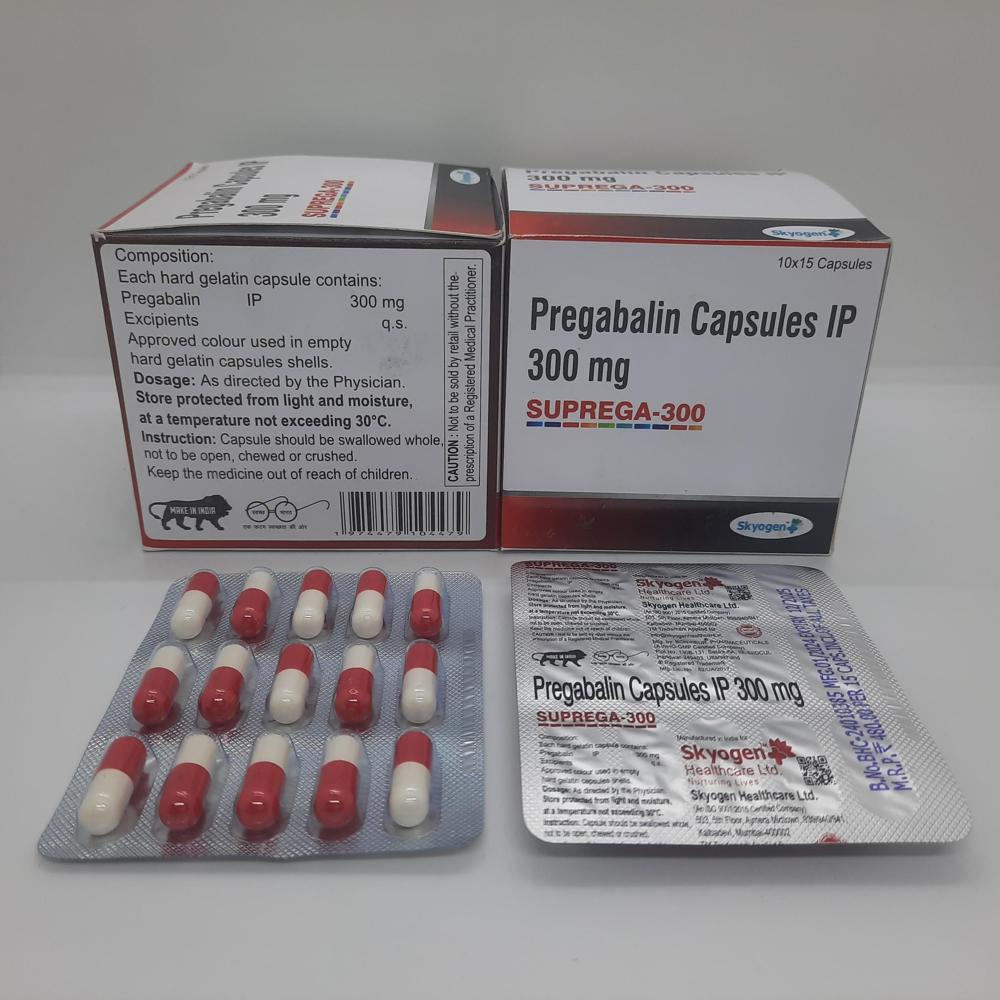
Tell us about your requirement

Price:
Quantity
Select Unit
- 50
- 100
- 200
- 250
- 500
- 1000+
Additional detail
Mobile number
Email

More Products in Pharmaceutical Capsules Category
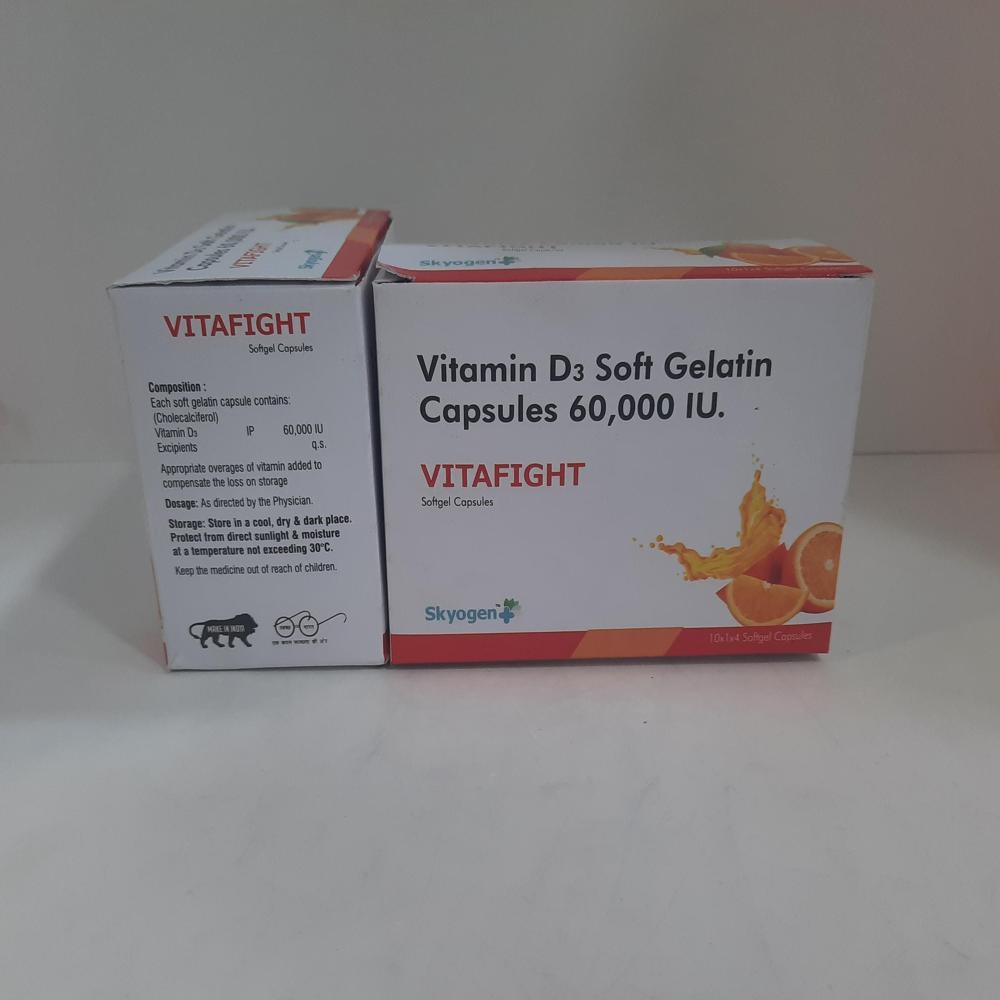
VITAMIN D3 SOFT GELATIN CAPSULES 60,000
Price 56.0 INR / Piece
Minimum Order Quantity : 100 Pieces
Physical Form : Other, Soft Gelatin Capsule
Dosage : As directed by physician, often once weekly
Quantity : 10 x 1 Capsule
Dosage Guidelines : Take after food, swallow whole with water
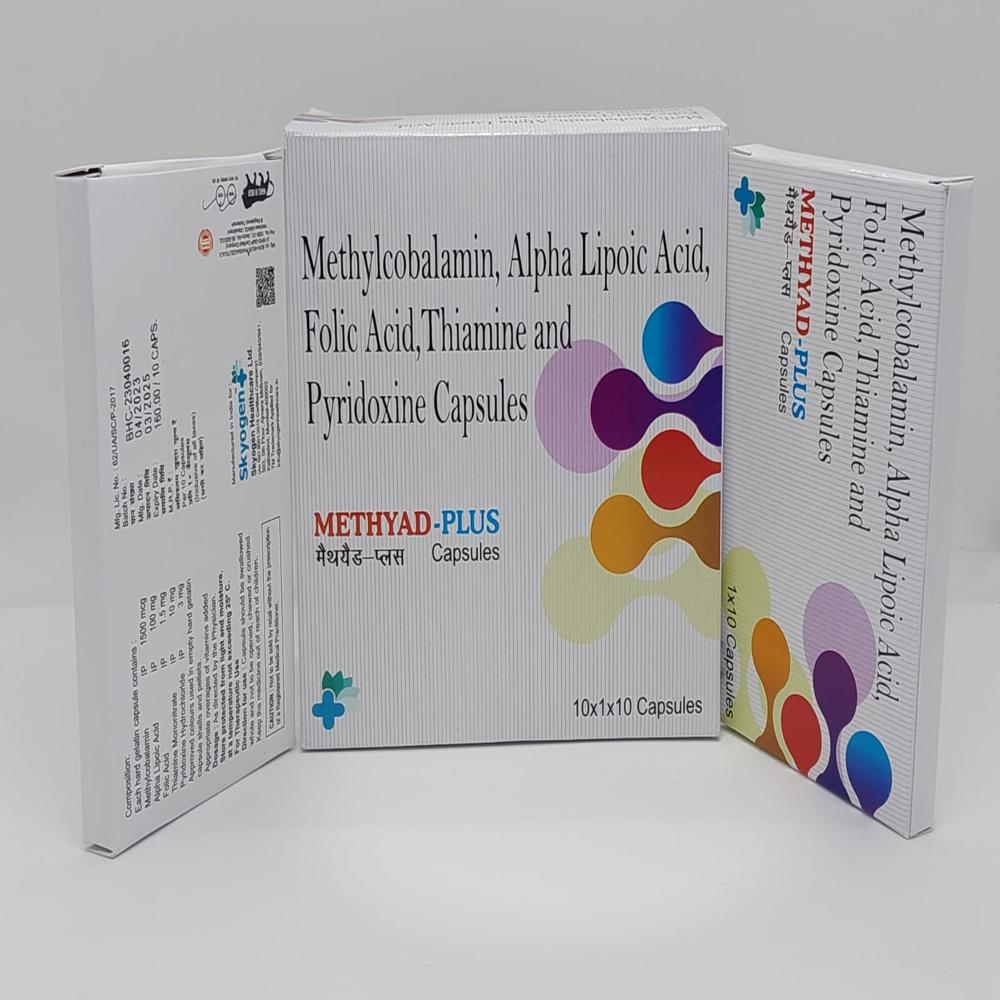
METHYLCOBALAMIN, ALPHA LIPOIC ACID, FOLIC ACID, THIAMINE AND PYRIDOXINE CAPSULE
Price 80.0 INR / Piece
Minimum Order Quantity : 100 Pieces
Physical Form : Other, Capsule
Dosage : As directed by the physician
Quantity : 10 x 10 capsules
Dosage Guidelines : Take after meals or as advised by the doctor
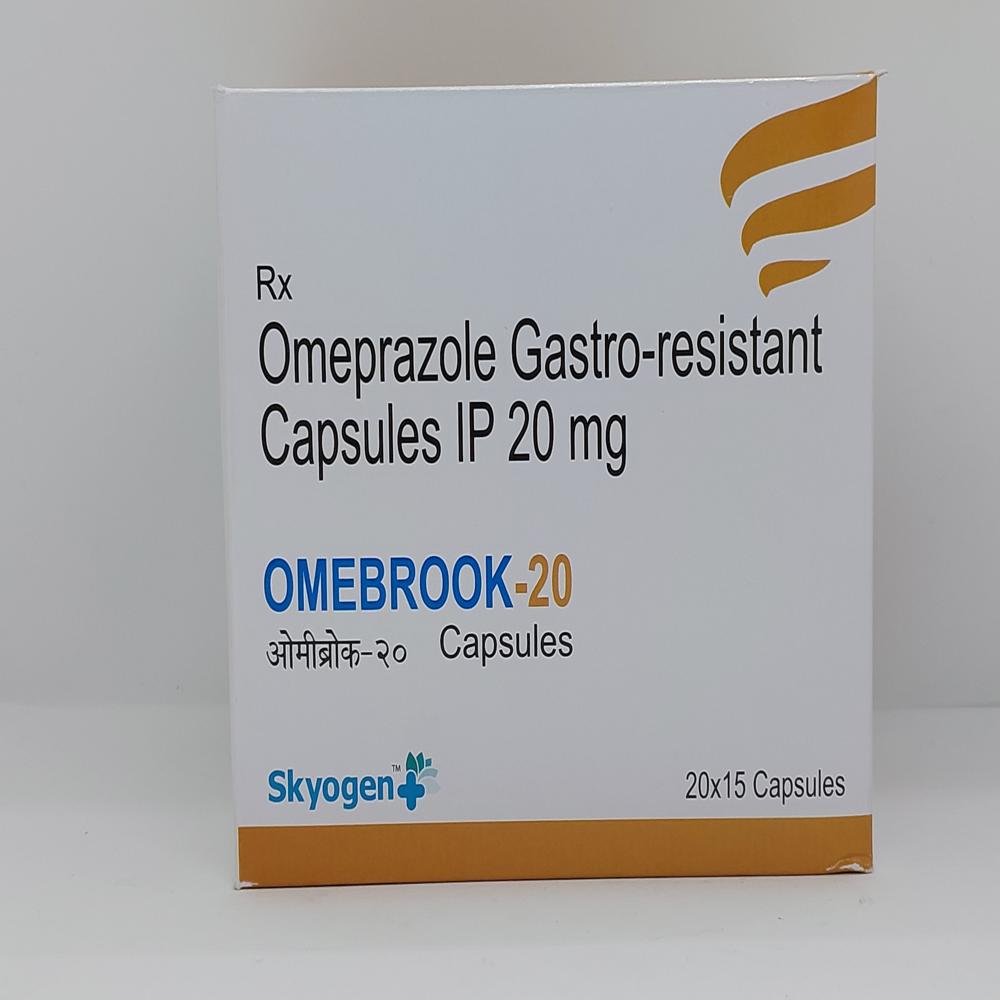
OMEPRAZOLE GASTRO RESISTANT 20 MG CAPSULE
Price 30.0 INR / Piece
Minimum Order Quantity : 100 Pieces
Physical Form : Other, Capsule
Dosage : As prescribed by the physician, commonly 20 mg once daily
Quantity : Varies per pack, commonly 10, 14, or 28 capsules per strip/bottle
Dosage Guidelines : Take before meals, swallow whole with water; do not crush or chew
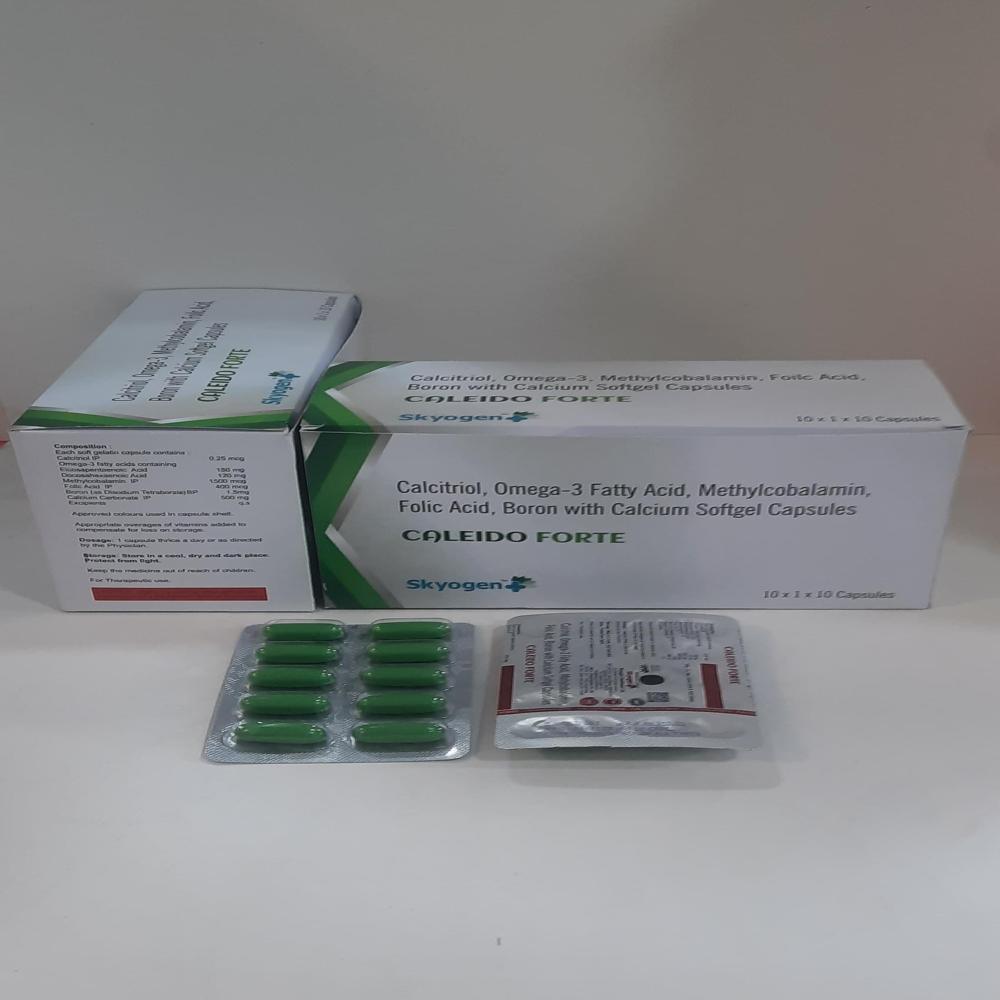
CALCITRIOL OMEGA-3 FATTY ACID METHYLCOBALAMIN FOLIC ACID BORON WITH CALCIUM SOFTGELS
Price 100.0 INR / Unit
Minimum Order Quantity : 100 Units
Physical Form : Other, Softgel Capsules
Dosage : As directed by physician
Quantity : 10x1x10 Softgels per box
Dosage Guidelines : Take with water after meals or as prescribed

Contact Details
GST : 27ABJCS7974C1ZW
- 503, 5th Floor, Ajmera Mid Town, Popat Wadi Lane,Mumbai - 400002, Maharashtra, India
- Phone :08071793162
 Send Inquiry
Developed and Managed by Infocom Network Private Limited.
